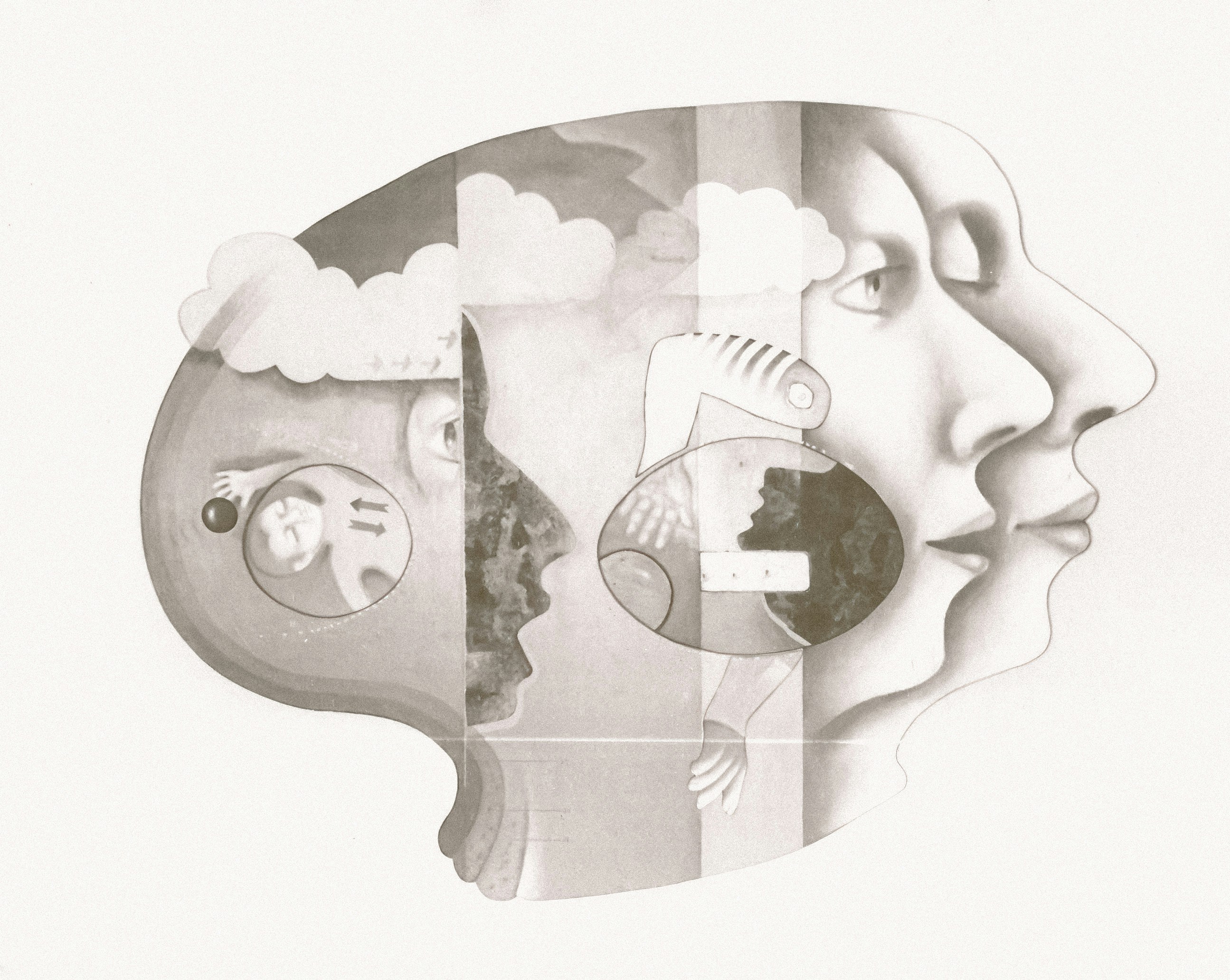
My mind makes noise
I don’t know if everyone knows, but I am autistic. And ADHD. And, from a more metaphysical perspective, I am a sensitive person (in short, someone who picks up thoughts from others, from this or other planes). This cauldron of thoughts, feelings, sensations, perceptions, intuitions, ideas, memories, and everything else that happens inside my mind is so intense that it tires me out too much.
The feeling is that my mind makes noise. And this noise is so loud that it tires, stresses, makes me anxious, causes physical malaise, makes me want to cry, scream, run away, hide, isolate myself, and often, makes me want to not exist.
Sometimes the tiredness starts with a poorly slept night. Sleep paralysis attacks, I am woken up several times during the night, and when I wake up, I am already tired. Usually, these nights are mixed with intense nightmares, the kind we feel relief from when we wake up. When this happens, I know my day will be heavy, and that the noise in my mind will be loud and I will need to double my efforts to deal with simple routine tasks.
Other times, the tiredness is the hangover from a very intense day (usually the previous day), with excessive stimuli, noises, social interactions. In these moments, I know that these impacts will echo in my head for the following moments, and again I will have to dedicate myself to dealing with this chaos.
What is most difficult, besides the mental chaos, is the difficulty that exists in explaining it to people. It reminds me a lot of the scene in “The Metamorphosis”, by Kafka, where Samsa, the protagonist, wakes up transformed into a giant insect, and has difficulty communicating with people, who do not understand what he says, or what he feels.
How to explain the noise in my mind to people?

Excerpt from the book “The Metamorphosis”, by Franz Kafka: Gregor was shocked when he heard his own voice answering, it was unmistakably his former voice, but in it there intruded, as if from below, an irrepressible and painful squeaking, which only at the first moment retained the literal clarity of the words, to destroy them in such a way when they had finished sounding that the person did not know if they had heard correctly
I am not, today, in suffering like Samsa’s (protagonist of the book who deserved a review here just for him), but the difficulty of communication is something that bothers me a lot, and that occurs not only in moments of depression crises (as the book’s analogy, in my view, portrays). When the mind’s noise is loud, communication becomes difficult, and people don’t understand what I say, or what I feel. In this exchange with noises, we need to manage ourselves, our mind (which we are desperately trying to control), and people, who don’t understand (and often don’t want to understand).
I know that the way to deal with this noise is self-care (bring on therapy, psychiatrist, drugs, meditation, conscious breathing, physical exercises, healthy eating, quality sleep…). Self-care that is considered superfluous for most people, but for people like me, it is mandatory. However, understanding that no matter how much the variables are controlled, this chaos will return, is difficult, despite helping me prepare for it.
It will pass. Today was difficult, but tomorrow will be better. And the day after tomorrow, successively, until I get well again, and prepare for the next time the noise in my mind gets loud.